Abstract
Background: Approximately one-quarter of the global population is infected with Mycobacterium tuberculosis. This study was based on the hypothesis that supplementation with vitamin D and C when given alongside standard anti tuberculous therapy may enhance the host immunity against the disease and shorten the time required for clinical recovery.
Objective: Investigate the effects of vitamin D & C as adjunct with anti-tuberculous therapy on time to clinical recovery and period of treatment in patients with active disease.
Method: A total of 100 newly diagnosed tuberculosis patients were enrolled from Gulab Devi Hospital, Lahore, and were randomly assigned into two groups. The non-experimental TB patients (n=50) receiving standard anti tuberculous treatment only, while the experimental TB Patients (n=50) receiving standard anti-tuberculosis treatment with vitamin D and C. The experimental group was administered Vitamin C at a dose of 500 mg /day orally, along with 2 ampoules of 200,000-unit injection of vitamin D were given orally once monthly for 12 weeks. Clinical improvement in symptoms like cough, fever and weight of these patients were recorded. Blood samples for vitamin C, D and ESR were collected at baseline (0 weeks), 6 weeks, and 12 weeks. Vitamin C levels were measured using HPLC, vitamin D using ELISA, and ESR using the Westergren method.). Chest X-rays and ESR values were used to evaluate the treatment progress in both groups and to assess the comparative effectiveness of vitamin supplementation.
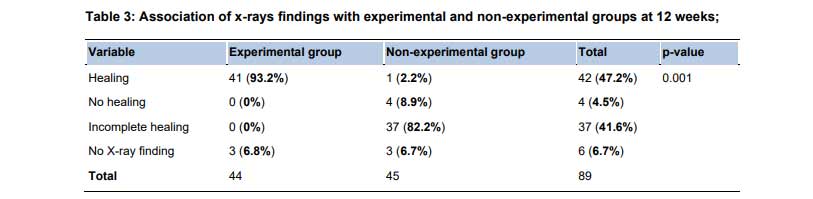
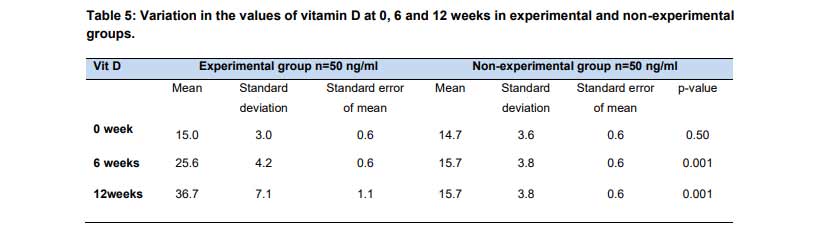
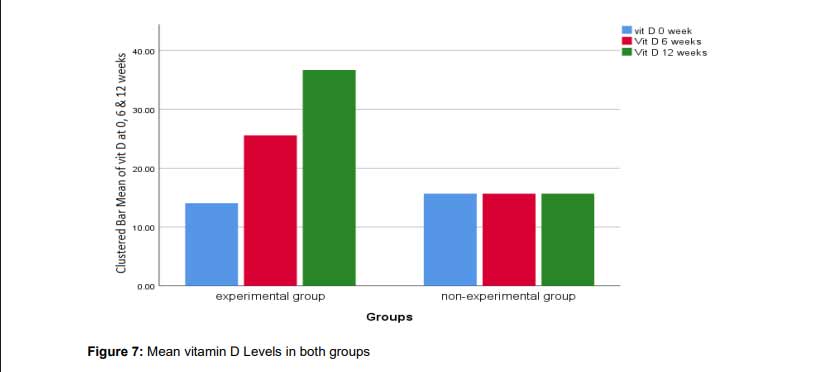
Results: Statistical analysis of vitamin D, vitamin C levels and ESR levels at 0, 6 and 12 weeks were performed using an independent sample t-test. The results showed a significant increase in both vitamin levels, indicated by markedly reduced ESR values and significant healing in x-ray findings in the experimental group at 12 weeks compared with the non-experimental group. At 12th week, the comparison between experimental and non-experimental groups demonstrated that levels of vitamin C, D, ESR values and X ray findings showed a p value of less than 0.05 indicating statistically significance between the groups.
Conclusion: Thus, the findings of this study suggest that vitamin C & D may serve as adjunctive therapies alongside anti-tuberculous drugs in the management of pulmonary tuberculosis. Nevertheless, further research is needed to clarify their role in enhancing patients’ immune responses.
Keywords: Pulmonary Tuberculosis, Anti-tuberculosis therapy, Vitamin C, Vitamin D, ESR
Introduction
Mycobacterium tuberculosis causes an infectious disease Tuberculosis and affects approximately one-quarter people globally. The prevalence of drug-resistant TB in Pakistan is estimated to be around 40% across both male and female populations. It affects the Mycobacterium tuberculosis systemic and pulmonary system [1]. Factors that increases the occurrence of developing tuberculosis include demographic status like age, sex, educational status, body weight and nutritional health (such as vitamin C, D deficiency), smoking habits, and the presence of diabetes mellitus [2]. The development of TB is related to a disturbance in balance, where elevated free radical production and reduced antioxidant defense system leads to oxidative damage of tissues and stimulate the body’s immune response against the bacterial infections [3]. The purpose of anti-tuberculous treatment is to avert morbidity, mortality and transmission of disease. Additionally, strict compliance can prevent drug resistance [4].
First-line drug therapy has two phases: the intensive and continuation phase. Intensive phase is based to give Isoniazid, Pyrazinamide, Rifampicin, and Ethambutol in adults for 2 months [5]. During the continuation phase, patients receive at least two effective medications, typically Rifampin and Isoniazid, with the treatment duration is different according to the drug regimen and the possibility of relapse [6]. While this treatment approach is efficacious, it can lead to various side effects like gastrointestinal discomfort, skin reactions, reduced platelets count, and liver damage [7].
It has been suggested that addition of different vitamins, particularly vitamin C and E, to anti-tuberculosis treatment may improve the effectiveness of the therapy and strengthen the immune system’s ability to fight against the disease [8]. A study reported the use of 1st line bactericidal drugs together with vitamin C supplementation may reduce lung infection faster than using the drugs alone, thus enhance their therapeutic impact and possibly reducing the overall duration of tuberculosis management [9]. Mycobacterium tuberculosis in most patients shows delayed clinical recovery, persistent inflammation and slow radiological improvement continue to pose significant challenges. These limitations highlight the need for safe adjunctive therapies that can enhance treatment response and improve the patient clinical condition.
The aim of this experimental study was to assess the impact of vitamin C and D as supportive treatments for pulmonary tuberculosis. Study hypothesized that vitamin C and D with anti-tuberculosis drug could enhances the clinical recovery more quickly and reduce the overall length of medication regimen
Method
This randomized experimental study (add on trial) was conducted in the Department of Pulmonology at Gulab Devi Hospital, Lahore, from August 2021 to February 2023with laboratory analyses performed in the Pathology Department of Combined Military Hospital (CMH), Lahore, and at PCSIR Laboratories, Lahore. A total of 100 newly diagnosed pulmonary tuberculosis patients were enrolled from Gulab Devi Hospital, Lahore, and randomly allocated into two equal groups. Randomization was performed using the lottery method, in which each participant was assigned to either the experimental or non-experimental group by randomly drawing a concealed allocation slip. The non-experimental group consisted of 50 patients receiving standard anti-tuberculous therapy alone, while the experimental group included 50 patients receiving standard anti-tuberculous therapy supplemented with vitamins D and C. The primary outcome measure was the resolution of chest X-ray abnormalities, while secondary outcomes included changes in erythrocyte sedimentation rate (ESR) and increase in body weight. The study population was selected using predefined inclusion and exclusion criteria to ensure uniformity and diagnostic accuracy.
Inclusion criteria: Eligible participants included male and female patients between 18 and 60 years of age who were newly diagnosed with sputum-positive pulmonary tuberculosis.
Exclusion criteria: Patients were excluded if they had known multidrug-resistant tuberculosis, diabetes confirmed through random blood glucose testing, or evidence of HIV infection, which was assessed through relevant clinical, social, and sexual history. These criteria were applied to obtain a representative and clinically appropriate sample for evaluating the effects of adjunctive vitamin C and D supplementation
The sample size was calculated using PenEpi software, which determined that a total of 100 participants would be sufficient to achieve the study objectives. Based on this calculation, the study population was divided into two equal groups, with 50 patients assigned to the experimental group and 50 to the non-experimental group. The experimental group included patients who received anti-tubercular therapy along with vitamin C and D supplementation, whereas the non-experimental group consisted of patients treated with anti-tubercular drugs alone, without any vitamin supplementation. Vitamin C 500 mg/day/p. o [10] and 2 ampoules of 200,000 IU of In drop D were given orally once a month [11], for 3 months. A proforma to get demographic information, clinical signs and symptoms was used to collect data of each consented patient. Blood samples were collected from the Anti-cubital vein at the start of study from both groups before giving any medication to check the vitamin D and C levels and ESR at 0 week. Vitamin C and D levels were analyzed by HPLC [12] and ELISA technique, respectively [9]. Study was approved by IRB committee Institute of CMH (Case# 549/ERC/CMH/LMC dated 24-03-21) and Al-Aleem medical college, Gulab devi hospital (AAMC/DME/IRRB/EA23’21 dated 18-11-21). Vitamin C (Citrovet) by Don Valley Pharmaceuticals and Vit D injection (In drop D) by Neutro Pharma were used.
Blood sampling was done at 0, 6 and 12 weeks of therapy. 2.00 cc blood was collected in EDTA and plastic tubes, and when the clot is formed at room temperature, then centrifuge at 1500 rpm for 10 min. The separated
serum or plasma was placed into polypropylene tubes and stored at -200c for the estimation of vitamin C and
- Vitamin C estimation was done at PCSIR laboratories [13]. Vitamin D and ESR were estimated at pathology department at CMH by ELISA method [14]. Clinical symptoms like fever, cough, and weight of the patients were recorded at 0, 6 and 12 weeks. ESR and Chest X-rays were used as indicators of resolution of disease. Chest X ray, ESR, levels of vitamin C and D were tested during the study to record the favorable effect of vitamins on the disease.
Data was analyzed descriptively using SPSS version 26 to obtain frequency distributions, percentages, means, standard deviations, and 95% confidence intervals. An independent samples t-test was applied to assess the effect of vitamin supplementation as an adjuvant on treatment response and body mass index. A p-value of ≤ 0.05 was considered statistically significant. Chi square test was applied for X ray findings.
Results
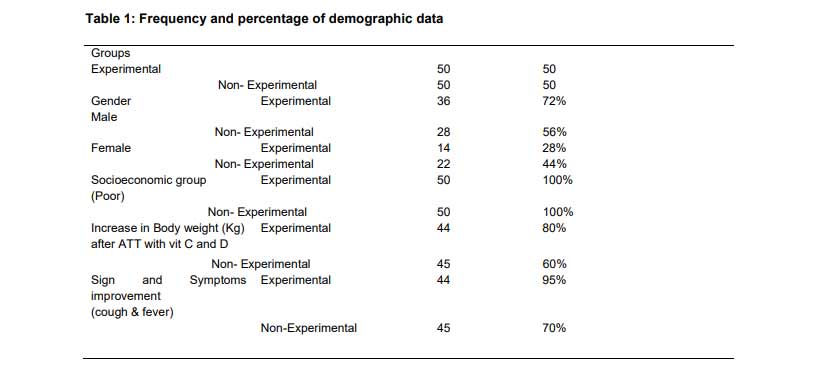
In the age group 20-30 years, the percentage of Pulmonary TB-Sputum Sensitive-positive cases was 24.0%, in 31 to 40 years 20.0 %, in 41 - 50 years 18.0 %, in 51 - 60 years 22 %. In our study, 36% females and 64% males are included in both experimental and non-experimental groups
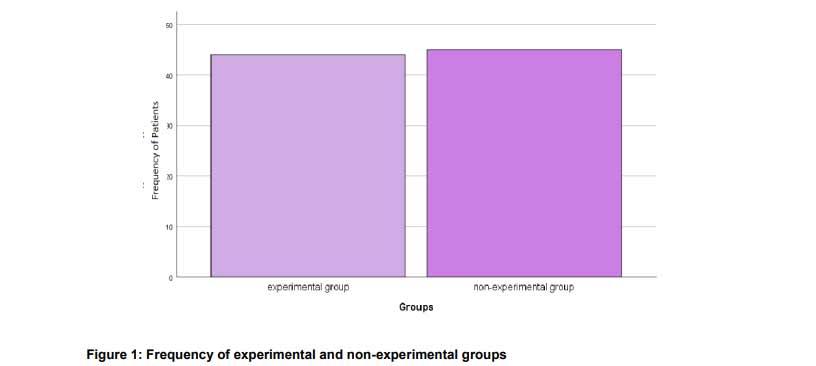
At the end of our study, 44 patients in experimental and 45 in non-experimental group were included.
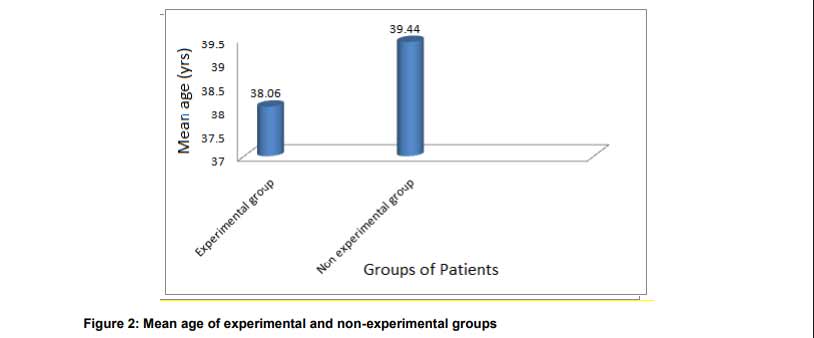
Mean age of experimental group was 38.06 years and 39.44 years of non-experimental group
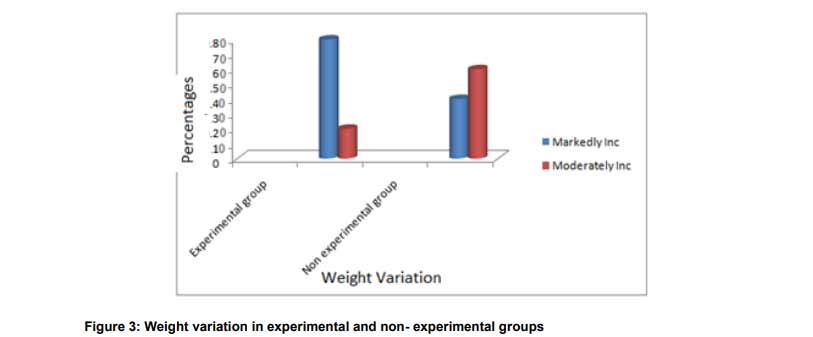
There was significant increase in weight of experimental group as compared to non-experimental group
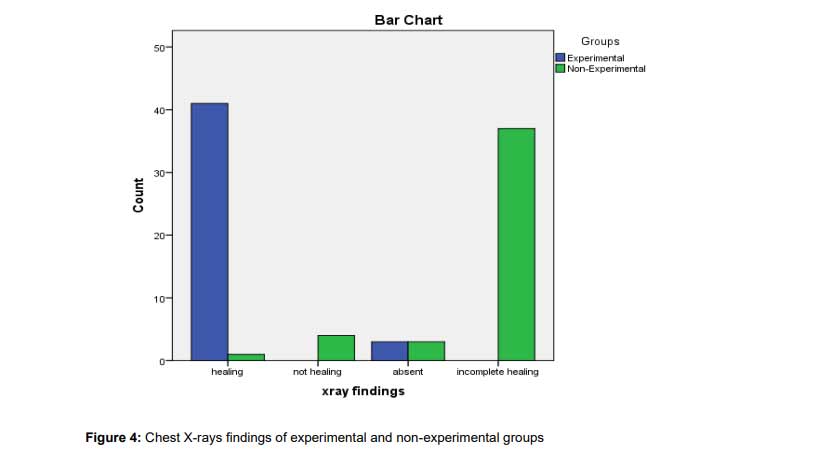
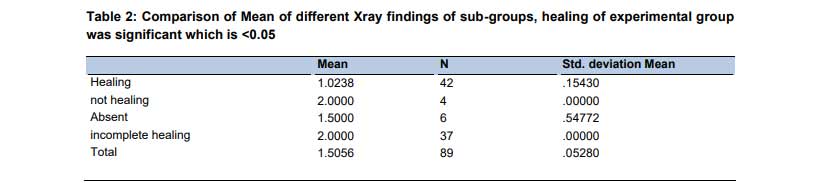
X-ray results for both experimental and non-experimental groups were categorized into four outcomes: complete healing, incomplete healing, no healing, and absence of detectable The chi-square test was employed to evaluate these radiological data. All the patients were completely healed except 3 patients; they didn’t have any x-ray findings in 12th week as shown in Figure 4.
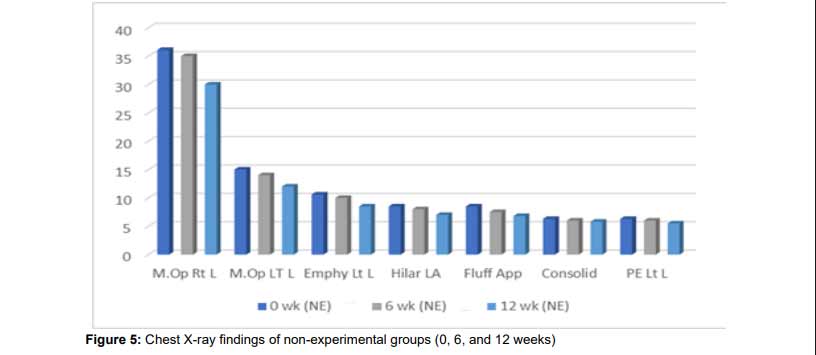
In non-experimental group, X-ray examination revealed right lung opacity in 36%, 34%, and 29% of patients. Left lung opacities were observed in 14%, 13%, and 12% of patients. 7%, 6%, 5% revealed hilar opacity, 10%, 9% and 7 % showed emphysematous, 9%, 7%, and 6% showed fluffy appearance of right lung and left lung, 6%, 5%, and 5 % had consolidation of lung, 6%, 6%, 5 % revealed pleural effusion at 0,6 and 12 weeks respectively as shown in figure 5.
In the experimental group, X-ray findings at 0 and 6 weeks demonstrated right lung opacity in 27% and 24% of patients, left lung opacity in 20% and 13%, emphysematous changes in the left lung in 13% and 9%, hilar opacity in 16% and 14%, fluffy appearance of the lungs in 10% and 6%, lung consolidation in 6% and 5%, and pleural effusion in 6% and 4%, respectively, all the patients were completely healed as shown in figure 6. Chi square test was applied for x ray findings.
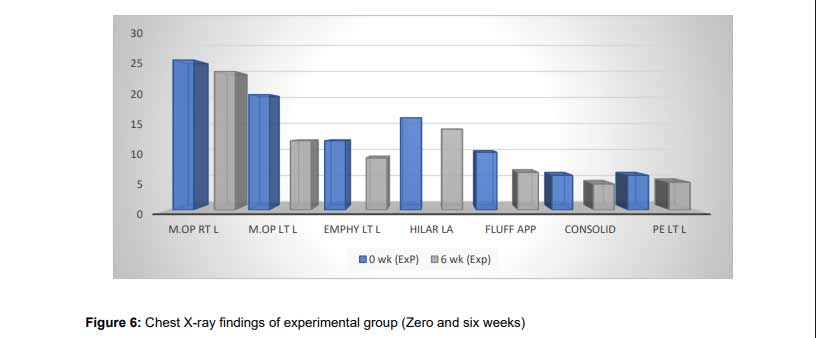
(Op Lt Lung= Opacity of left lung, Op Rt lung= Opacity of right lung, Multi Op= Emphysematous left lung, Hilar /Lt lung , fluff app=fluffy appearance, Consolidation of right /left lung, PE= Pleural effusion.
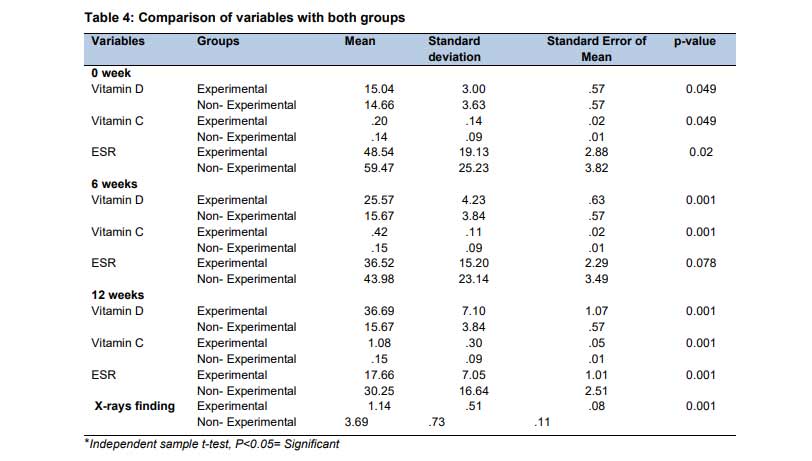
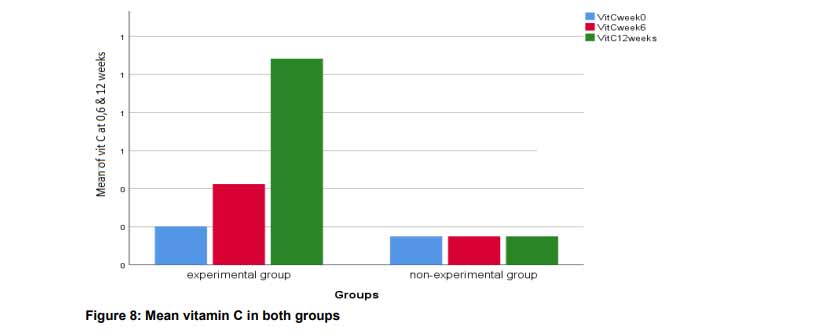
After the supplementation of vitamin D and C as shown in figure 7 and 8, highly significant (**P <0.001) result was observed in experimental groups at 6 and 12 weeks. Independent sample t-test was used to find the effect of vitamin supplementation in improvement of response of treatment.
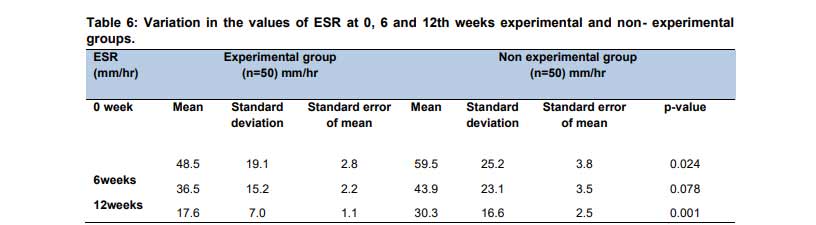
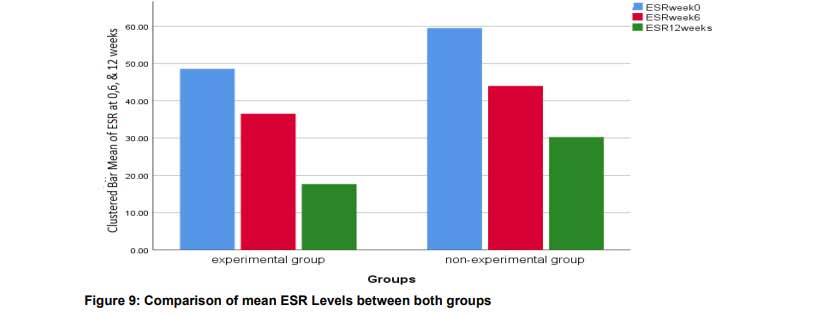
Levels of ESR was significantly reduced in experimental group at 0, 6 and 12 weeks as shown in figure 9. value is 0.001 which shows our result is statistically significant.
Discussion
The management of tuberculosis remains a significant challenge due to the emergence of multidrug-resistant (MDR) strains and the increasing diversity of drug-resistant Mycobacterium tuberculosis variants. Although the potential role of vitamins in modulating immune responses and improving disease outcomes has been widely explored, clinical trials evaluating vitamin supplementation as an adjunct to standard tuberculosis therapy are still limited and insufficient [2]. Based on our study, the male-to-female ratio among tuberculosis patients (both those receiving anti-TB drugs with vitamin supplements and those in control group, not taking vitamin supplementation) was 64% males to 36% females. When we analyze the age distribution data, it revealed that the highest proportion of sputum-positive pulmonary TB cases present in individuals aged 20–30 years, accounting for 24% of cases. This was followed by 20% of cases in the 31–40-year age group, 18% in those aged 41–50 years, and 22% among individuals between 51–60 years. Similarly, a study conducted in Lucknow reported that approximately 39.7% of pulmonary TB cases were found in patients aged 18–35 years. These findings suggest that pulmonary tuberculosis prevalence is more among the young and middle-aged population, emphasizing the necessity for preventive measures, more focused screening and management programs in these age groups [15].
A retrospective study of chest X-rays from tuberculosis patients was conducted in Nigeria, which revealed that 97% of the patients showed abnormal radiological findings. Among drug-resistant TB patients, the most frequently observed abnormality was cavitations, followed by pleural effusion, pulmonary infiltrates and fibrotic changes. These findings suggest that people seek medical care late in the course of the illness, especially
when drug resistance has already developed, this leads to problem of late diagnosis and treatment initiation in such cases [16]. The present study aimed to evaluate the potential benefits of vitamin C and D supplementation in tuberculosis patients. Vitamin C is a powerful antioxidant that reduces oxidative stress injury at cellular level, while vitamin D enhances the production of antimicrobial peptides that play an important role in enhancing immune response against Mycobacterium tuberculosis.
A study observed that active tuberculosis patients had decreased levels of vitamin C accompanied by an increase in lipid peroxide activity. This suggests that oxidative stress causes lipid peroxidation of cell membranes which can cause further tissue damage and it leads to disease progression [17]. Another study reported that vitamin C supplementation may help limit the spread of tuberculosis infection. It can also enhance recovery by helping with the healing of lung cavities and converting sputum samples from acid-fast bacillus positive to negative. It improves the clearance rate of bacteria and promotes better therapeutic outcomes [18]. We studied the beneficial impact of vitamin D on the patients’ response to therapy (by x-ray findings and sign & symptoms of patients). A study revealed that vitamin D can enhance the phagocytic ability of macrophages, thereby improving the body’s immunity to engulf and fight against pathogens. It also revealed that monocytes developed the anti-tubercular properties when they were exposed to vitamin D metabolites, suggesting vitamin D plays an essential role in activating the body’s immunity against tuberculosis infection [19]. Providing vitamin D during TB infection assists in inhibiting the growth and multiplication of bacterial agents by stimulating the cathelicidin, an antimicrobial peptide production. Cathelicidin performs multiple immunological functions, in addition to its direct antimicrobial activity, it enhances the process of autophagy, a cellular defense mechanism that facilitates the clearance of harmful bacterial agents, therefore, inducing the immunity response against the infection [20]. In our study, elevated ESR levels were noted in both the patient and the control groups before starting the therapy. Among the patients, ESR showed a marked decrease after 6 and 12 weeks of treatment, whereas the control group showed only a slight decline by the 12th week. The initial high ESR levels indicate the presence of acute or chronic infection and the inflammatory response generated in lungs and it is the characteristic feature of pulmonary tuberculosis [21]. It has been suggested that ESR levels in pulmonary tuberculosis indicate the presence of elevated levels of circulating globulins and fibrinogen, which are usually present in acute-phase reactions and contributing factors to the rise in ESR levels [22]. ESR is useful parameter for assessing the effectiveness of anti-tuberculosis treatment and prognosis of TB. Because of its simplicity and low cost, baseline ESR testing can be especially helpful in diagnosing and monitoring TB particularly in the settings where resources are limited and better treatment opportunities are not readily available [23].
Conclusion
The findings indicate that vitamins C and D may serve as effective adjunctive therapies when used alongside standard anti-tuberculosis medications for the management of pulmonary TB. Patients in the experimental group demonstrated greater improvement in clinical symptoms, reductions in ESR levels, and better chest X-ray resolution after 12 weeks compared with those in the non-experimental group. While these results highlight the potential benefits of vitamin supplementation, further clinical studies are required to explore the therapeutic value of additional vitamins in tuberculosis management.
References
- Khan RA, Sheikh AA, Bulaadi GQ. Incidence of Multidrug-resistant Tuberculosis in Sindh, Pakistan.Cureus 2019; 11(4): e4571.https://doi.org/10.7759/cureus.4571
- Soh AZ, Chee CBE, Wang YT, Yuan JM, Koh WP. Dietary Intake of Antioxidant Vitamins and Carotenoids and Risk of Developing Active Tuberculosis in a Prospective Population-Based Cohort Study. Am J Epidemiol. 2017;186(4):491-494 https://doi.org/10.1093/aje/kwx120
- Verma I, Jindal SK, Ganguly NK. Oxidative stress in tuberculosis In: Ganguly KN, Jindal KS, Biswal S, et al., eds. Studies on Respiratory Disorders. New York, NY: Springer New York; 2014:101–114 https://doi.org/10.1007/978-1-4939-0497-6
- Menzies D. Canadian Tuberculosis Standards 8th edition: What’s new? And what’s next?. Canadian J Resp, Critical Care, & Sleep Medicine 2022:1-4. https://doi.org/10.1080/24745332.2022.2033737
- Nahid P, Dorman SE, Alipanah ,Barry PM, Brozek JL, Cattamanchi A, et al. Official American Thoracic Society/Centers for Disease Control and Prevention/Infectious Diseases Society of America Clinical Practice Guidelines: Treatment of Drug-Susceptible Tuberculosis. Clin Infect Dis. 2016; 63(7): e147–e195.doi: https://doi.org/10.1093/cid/ciw376
- Huiri A, Xueqiong W, Zhongyuan W, Jing X, Shaohua Z, Kun W. The clinical characteristics of anti-tuberculosis drug induced liver injury in 2457 hospitalized patients with tuberculosis in China. Afr J Pharm Pharmacol 2017; 7: 710–714.https://doi.org/10.5897/AJPP2016.4689
- Teschke R, Danan G. Review article: diagnosis and management of drug-induced liver injury (DILI) in patients with pre-existing liver disease. Drug Saf 2016; 39: 729–744https://doi.org/10.1007/s40264-016-0414-z
- Edem VF, Ige O, Arinola OG. Plasma vitamins and essential trace elements in multi-drug resistant tuberculosis patients before and during chemotherapy. Egypt J Chest Dis Tubercul. 2016; 65(2):441-5.https://doi.org/10.1016/j.ejcdt.2016.02.001
- Vilchèze C, Hartman T, Weinrick B, Jacobs WR. Mycobacterium tuberculosis is extraordinarily sensitive to killing by a vitamin Cinduced Fenton reaction. Nat Common 2013; 4:1881.https://doi.org/10.1038/ncomms2898
- Cerullo G, Negro M, Parimbelli M, Pecoraro M, Perna S, Liguori G, Rondanelli M, Cena H and D’Antona G. The Long History of Vitamin C: From Prevention of the Common Cold to Potential Aid in the Treatment of COVID-19. Front. Immunol. 2020; 11:574029. doi: 10.3389/fimmu.2020.574029 https://doi.org/10.3389/fimmu.2020.574029
- Kearns MD, Alvarez JA, Tangpricha V. Large, single-dose, oral vitamin D supplementation in adult populations: a systematic review. Endocr Pract. 2014 Apr; 20(4):341-51. Doi: 10.4158/EP13265.RA. https://doi.org/10.4158/EP13265.RA
- Robitaille, Hoffer LJ. A simple method for plasma total vitamin C analysis suitable for routine clinical laboratory use. Nutr J. 2015; 15:40 doi.org/10.1186/s12937-016-0158-9https://doi.org/10.1186/s12937-016-0158-9
- Holick, MF. Vitamin D Status: Measurement, Interpretation and Clinical Application. Ann Epidemoil. 2009, 19(2):73 – 78DOI: 10.1016/j.annepidem.2007.12.001
- Kale SR, et al. Haematology, Practical Human Anatomy And Physiology. Nirali Prakashan, Eight Edition, 2002,28khttps://content.kopykitab.com/ebooks/2018/06/19713/sample/sample_19713.pdf
- Chandra R, Kumar S, Singh S, Sharma K, Alam N, Verma D. Quantitative assay evaluation of vitamin ‘C’ from formulated tablets: Application on Rp-Hplc and Uv-spectrophotometry. International Journal of Analytical, Pharmaceutical and Biomedical Sciences. 2013;2(3):19-23. ISSN: 2278-0246 link
- Oladimeji O, Oladimeji KE, Nanjoh M, Banda L, Adeleke OA, Apalata T et al. Contributory Factors to Successful Tuberculosis Treatment in Southwest Nigeria: A Cross-Sectional Study. Trop. Med. Infect. Dis. 2022; 7:194. https://doi.org/10.3390/tropicalmed7080194
- Ahirs AD, Singh R. Oxidative Stress and Ascorbic Acid Levels In Cavitary Pulmonary Tuberculosis. J Clin & Diag Res 2010; 4(6): 3437-3441 link
- Regina, Ejemot-Nwadiaro1, Glory M. Nja, Edisua H. & Ezedinachi EN. Does ascorbic acid supplementation improve treatment outcomes in adults with pulmonary tuberculosis? Issues in Biol Sci & Pharmaceut Res 2019;7(2):25-34 https://doi.org/10.15739/ibspr.19.004
- Todoriko LD, Toderika YI, Shevchenko OS, Pidverbetskyi OY. The role of vitamin D deficiency in antituberculous protection. Infusion & Chemo 2021; 4:38-44. https://doi.org/10.32902/2663-0338-2021
- Shawky NM, El-Antouny NG, Hassan NK, Abdullah Ahmad A. Emerging relationship between Vitamin D and LL-37 in the immune system’s response to infection and their possible role in combating sepsis. The Egypt J Hosp Med 2022;86: 427-430link
- Sulochanan S, Gayarthri J, Siddartha JR, Fathima J. Clincial significance of Erythrocyte Sedimentation Rate in Tuberculosis. Res J Pharma & Technol 2022;15(1):245-9. https://doi.org/10.52711/0974-360X.2022.00040
- Thatoi PK, Khadanga S. Pulmonary Tuberculosis and its haematological correlates. Thatoi PK/ Transworld MedicalJournal.2013;1(1):1113link
- Muhammad Y, Salih SB, Al-Johani S, Alothman A. “Erythrocyte sedimentation rate at diagnosis in culture positive cases of active tuberculosis” Pak J Med Sci January – March 2012; 28(1):1 87-90link